Ouros Tether Station . 27 December 2298
Elevator Chief Blames Collapses On Soft Lungs
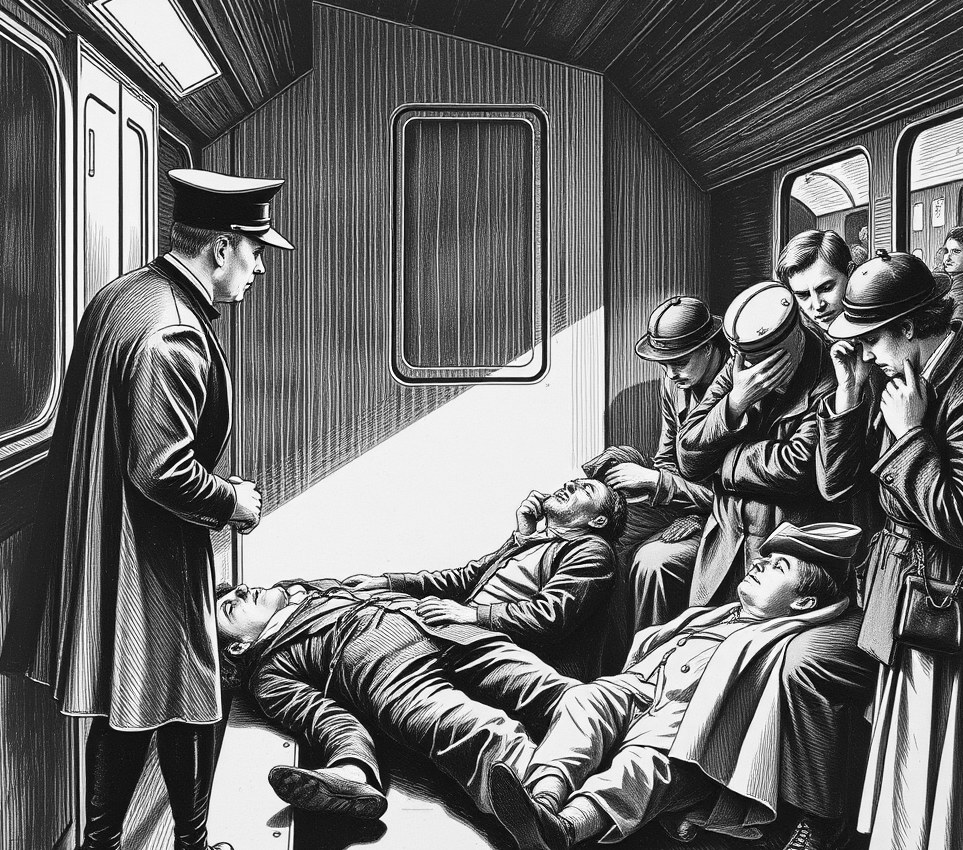
Soren Patel does not accept that Ouros Tether Station has an air problem.
Every morning at eight, the chief barometric tuner drops terminal pressure to match the summit of Mount Everest. Commuters routinely collapse beside the breakfast stalls.
"People slump," Patel said. "They mouth-breathe."
Patel manages atmospheric weight for twelve thousand daily commuters ascending from the ocean tether. He insists thin air merely exposes poor posture and shallow habits.
"If your diaphragm is disciplined, four hundred millibars feels crisp," Patel said. "We have forgotten how to inhale with intent."
The daily pressure drop saves thirty thousand kilowatt-hours of wall-pumping energy every hour. Patel noted this was a helpful side effect, though his primary goal remains physical discipline across the terminal.
"The station deck is soft," Patel said, gesturing toward three unconscious transit clerks near gate four. "They lie down because they lack core tension."
Station medics now patrol the platforms with smelling salts rather than oxygen canisters, under strict instructions not to indulge shallow breathers. Commuters have begun wearing heavy nose-clips to force efficient intake before stepping off the car.
Patel views the clips as partial progress, though he plans to drop oxygen levels further on Thursday to cure slumping in the security queue.
"A lungs-first culture takes time," Patel said. "The weak will adapt."